

Mövzunu Açan
#0
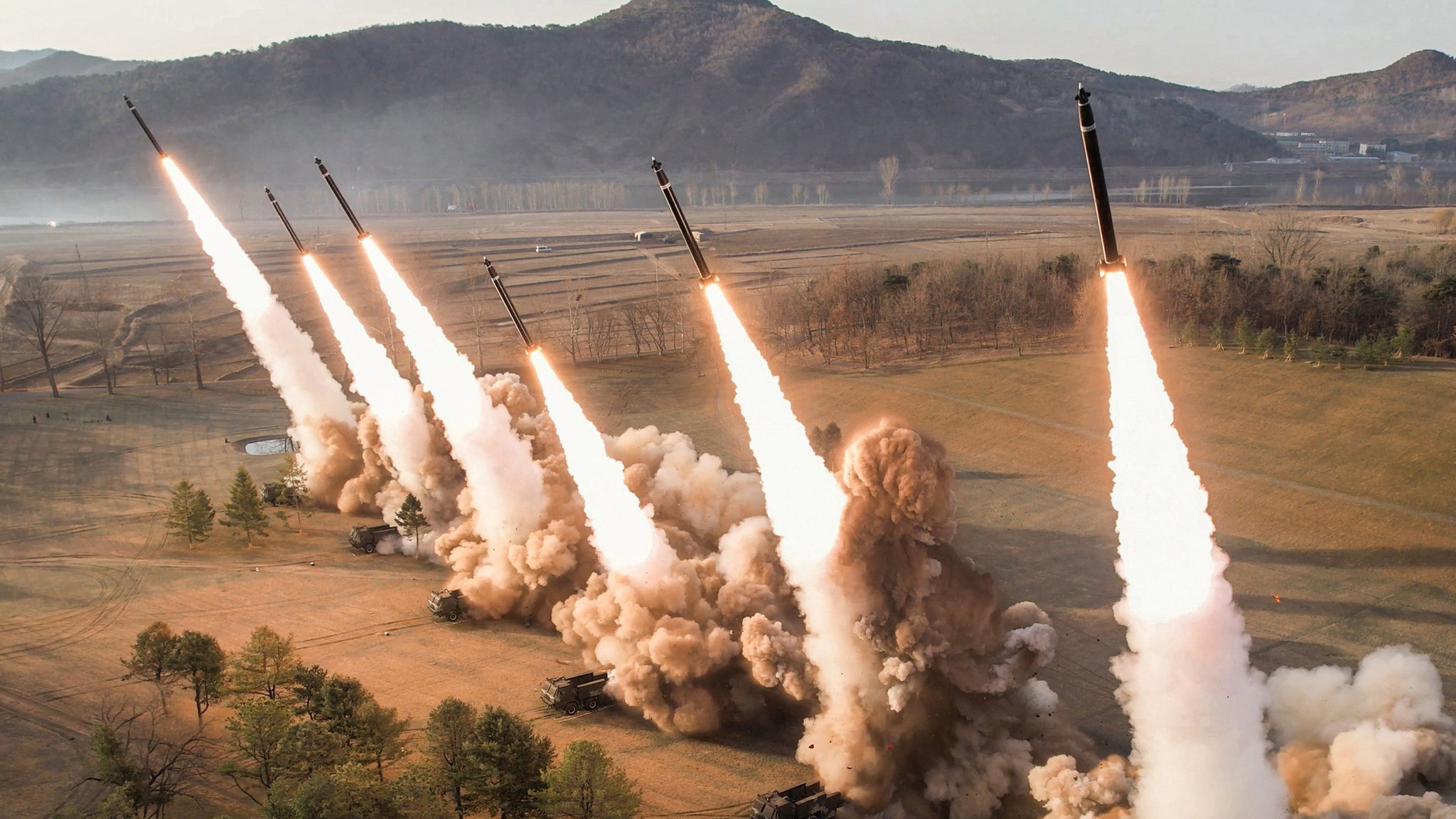
Missile systems are not just about hardware (engines, warheads, propulsion). The most critical part is the software. Missile software manages targeting, navigation, propulsion control, sensors, and safety protocols. But who develops this highly complex software?
1. State-Supported Defense Companies
Missile software is primarily developed by national defense contractors.
- USA: Lockheed Martin, Raytheon, Northrop Grumman
- Russia: Almaz-Antey, Tactical Missiles Corporation
- China: NORINCO, AVIC
- Turkey: ASELSAN, ROKETSAN, TÜBİTAK-SAGE
- Europe: MBDA, Airbus Defence & Space
These companies integrate both hardware and software to make missiles operational.
2. Universities & Research Institutes
In some countries, advanced algorithms for missile guidance are developed in cooperation with universities and research centers, such as:
- Autonomous target recognition
- AI-based trajectory optimization
- Ballistic computation systems
3. Core Technologies in Missile Software
Since missile software must operate flawlessly under extreme conditions, it relies on:
- Real-Time Operating Systems (RTOS)
- Embedded programming languages like C, Ada, Assembly
- Artificial Intelligence & Machine Learning, increasingly used in next-gen missiles
4. Security & Secrecy
Missile software development is strictly controlled by governments. Open-source or commercial teams are not allowed in this domain, as the software is considered one of the nation’s top military secrets.
Conclusion
Missile software is typically developed by state-backed defense contractors and research institutes. From the US to Turkey, China to Europe, every nation with a missile program builds its own proprietary systems to ensure security and independence. Thus, missile software is not only an engineering achievement but also a strategic defense asset.
